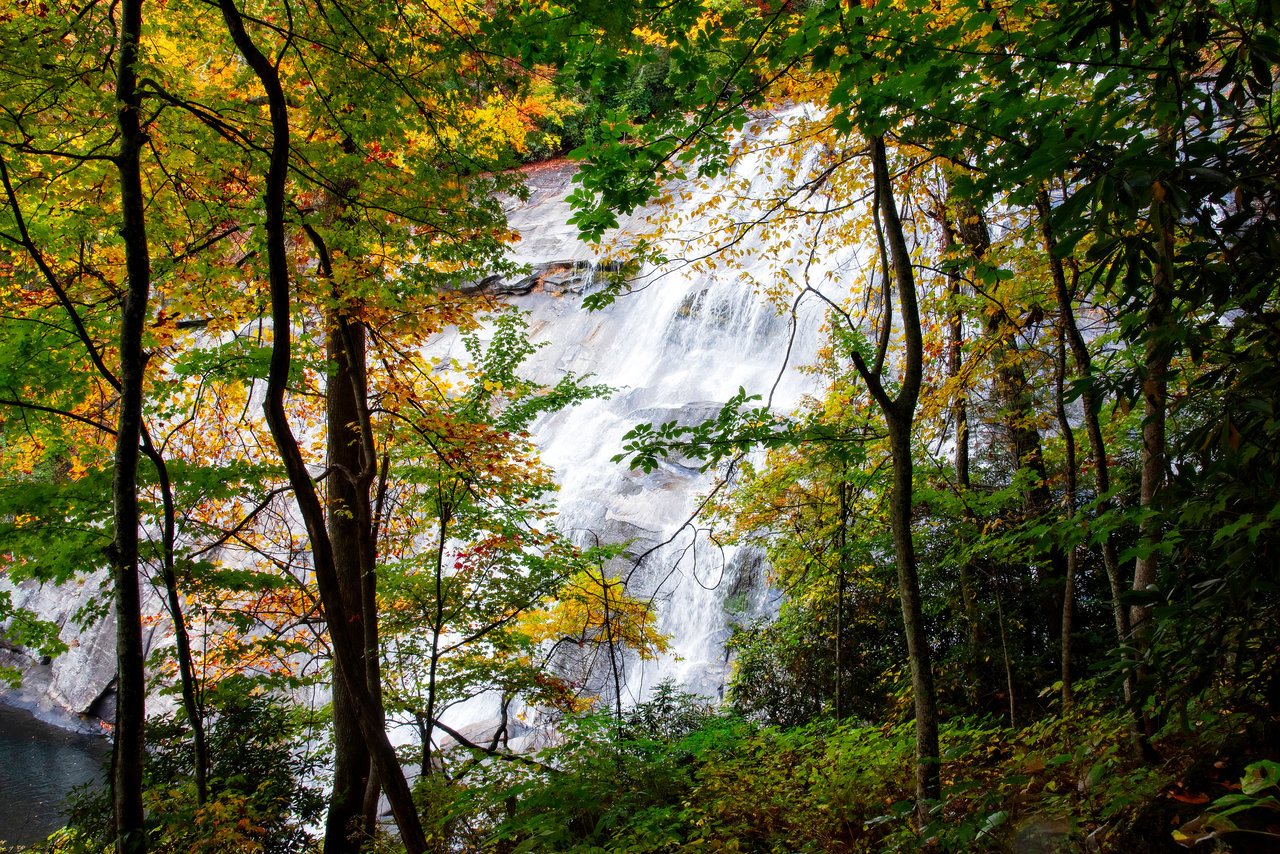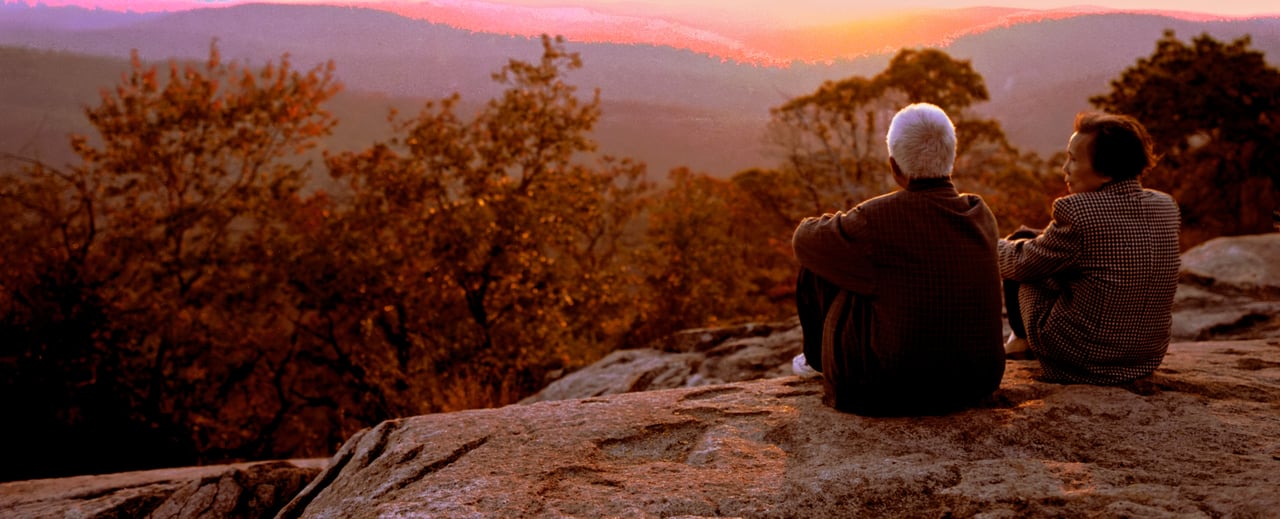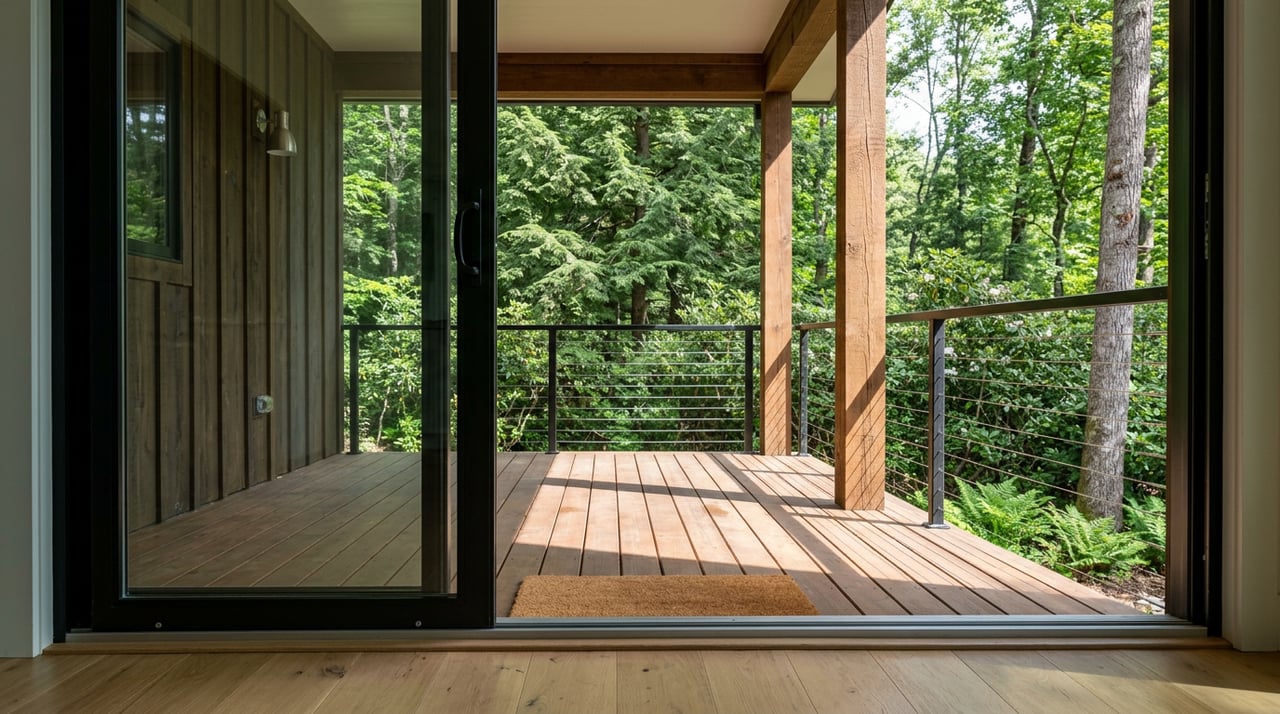
Imagine waking up to cool mountain air, the sound of a creek, and a day of trails and waterfalls ahead. If you’ve been dreaming about a Smoky Mountain hideaway, a cabin in Bryson City can be a smart move for both lifestyle and long-term value. You may be weighing second-home dreams against practical questions like internet access, winter roads, and short-term rental rules. In this guide, you’ll get a clear, step-by-step path to buy with confidence, plus the key local checks that matter most in the mountains. Let’s dive in.
Why Bryson City works for cabins
Bryson City sits at the doorstep of Great Smoky Mountains National Park, which draws millions of visitors each year. That steady flow of outdoor travelers supports interest in vacation cabins and short-term rentals. The National Park Service reported high national park visitation in 2023, including significant visits to Great Smoky Mountains, which signals ongoing regional demand for stays around Bryson City. You can see the context in the park’s recent visitation update from the National Park Service.
If you plan to use your cabin part-time and rent it occasionally, that visitor base can help support bookings during peak seasons like summer, fall foliage, and holiday weekends. Just remember that returns depend on location, access, and property quality, not park traffic alone.
According to public market snapshots, Bryson City shows a wide range of list and sale prices. Different data sources use different methods, so expect a patchwork of pricing from modest fixer cabins to turnkey retreats. The best way to price a specific property is to get recent, cabin-specific comps from a local MLS agent.
Clarify how you will use the cabin
Before you start touring, define your plan. Will this be a true second home you enjoy most of the year, or an investment-focused short-term rental with personal use on the margins? Lenders classify loans by occupancy type, and that affects your terms.
- Fannie Mae separates principal residence, second home, and investment property. A second home must meet certain conditions, and pricing and reserves can differ from investment loans. Review the Fannie Mae occupancy definitions and confirm your plan early with your lender.
- FHA loans are designed for owner-occupied primary residences, which means FHA generally is not an option for a pure vacation home or a property intended mainly for short-term rental. If you are considering government-backed options, check the HUD Single Family Housing Policy Handbook and speak with your lender.
Getting pre-qualified for the right occupancy type helps you shop with confidence and write cleaner offers.
Know the local rules before you shop
Mountain towns and counties set their own land-use and rental standards. In Bryson City and Swain County, two sets of rules matter: zoning and occupancy tax.
Short-term rental eligibility
Inside Bryson City limits and the town’s ETJ, the Unified Development Ordinance defines and regulates short-term rentals. Use the Town of Bryson City UDO to check where short-term rentals are allowed, whether standards apply, and if special-use approval is needed. If the cabin sits in unincorporated Swain County, county rules apply. Confirm zoning and any HOA rules before you write an offer.
Occupancy tax basics
If you plan to host short-term guests, Swain County administers a room or occupancy tax. Property owners are responsible for registration, collection, and monthly filings, with limited exemptions for very infrequent rentals. Review the county’s guidance in the Swain County Occupancy Tax FAQs and confirm who collects which taxes if you plan to list on booking platforms.
Permits and records to verify
Permits and inspections are handled by the town for in-town properties and by the county elsewhere. Before you close, verify that the cabin and any additions were properly permitted and inspected, and confirm legal road access and road maintenance arrangements. Start with the Swain County website for departments and contacts to verify building, planning, and road information.
Evaluate land, access, and utilities
Mountain terrain shapes daily life and costs more than any headline price. Give yourself extra due diligence time to understand access, water, wastewater, and connectivity.
Road access and slope
Driveways and private roads can be steep, gravel, or narrow. Ask who maintains the road, what winter access looks like, and whether you need to budget for plowing or grading. If you expect frequent guest turnover, easy year-round access may matter as much as a great view.
Water, septic, and wells
Many cabins outside town limits rely on a private well and a septic system. The state’s on-site wastewater rules are administered locally, so you should order a septic inspection, review county environmental health records, and test the well water during your due diligence. For background on how North Carolina handles on-site systems, review the NC DEQ’s groundwater and UIC resources. If the property is inside Bryson City on municipal water and sewer, verify the connection and any past service notices through the town.
Power, propane, and backup
Electric service in western North Carolina is provided by a mix of major utilities and regional co-ops. Confirm the provider on the parcel with seller disclosures or county records. For more remote cabins, propane, fuel oil, and generators are common for heat backup or storm resilience. Budget for initial tank fills and routine generator service if applicable.
Internet and cell coverage
Connectivity varies from street to street. If you plan to work remotely or host guests, check address-level availability for fiber, DSL, fixed wireless, or satellite. Start with AT&T’s Bryson City page for local offerings, and confirm options like satellite if you are off the beaten path.
Flood and natural hazards
River and creek proximity can affect insurance and future costs. Check FEMA and county flood maps, and ask for any elevation certificates. For regional floodplain planning context in this area, see the Little Tennessee River Basin planning document. Also consider treefall exposure and wind on ridge sites and discuss mitigation with your insurer.
Financing, insurance, and taxes
Your financing type, insurance, and ongoing taxes will set the long-term cost of ownership. Sort these early so you can compare properties on a true apples-to-apples basis.
Loan type and down payment
Second homes and investment properties typically have different down payment, pricing, and reserve requirements. Confirm with your lender how your intended use fits Fannie Mae’s occupancy definitions. If you were considering FHA, note that it is geared to primary residences and usually does not fit a pure vacation or rental purchase; check the HUD handbook for details.
Insurance checklist for cabins
Ask insurers about replacement cost for mountain construction, tree and wind exposure, and any policy limits related to frequent short-term rental use. If the parcel touches a mapped flood zone, compare NFIP and private flood coverage. If you plan to host guests, ask about liability and loss-of-rental-income endorsements.
Property taxes and local fees
Plan for annual county property taxes and any municipal taxes if you are inside town limits. If you operate a short-term rental, the room or occupancy tax filing and remittance is an ongoing monthly obligation. Confirm due dates and procedures with the county before your first booking.
If you plan to rent the cabin
Bryson City’s visitor base can support bookings, but revenue depends on your property’s specific appeal and access. Treat rental potential like a small business plan.
Seasonality and pricing
Expect peaks in summer and fall foliage, with holiday weekends in demand. Shoulder seasons can be quieter, so design your budget around a conservative occupancy forecast. Amenities like a paved driveway, reliable internet, and proximity to attractions can improve booking rates and reviews.
Compliance and filings
Register with Swain County for occupancy tax and confirm whether the town requires any additional registration or safety standards if you are inside city limits. Some booking platforms collect certain taxes in some places, but you are ultimately responsible for correct registration, collection, and remittance. Use the county’s occupancy tax FAQs to understand deadlines and responsibilities.
Operations and maintenance reality
Turnovers, winterization, and upkeep are regular line items. Budget for septic pumping and potential repairs, roof and gutter checks, driveway maintenance, seasonal HVAC service, brush clearing for defensible space, and reliable cleaners and handypersons. In a mountain market, vendor availability can vary by season, so build in lead time and a contingency fund.
A step-by-step buying plan
Use this checklist to move from idea to closing with fewer surprises:
- Clarify your use plan
- Decide if the property is a second home or an investment. Share this with your lender to align on terms and reserves based on Fannie Mae’s occupancy guidance. If you considered FHA, verify applicability in the HUD handbook.
- Price with cabin-specific comps
- Because citywide medians vary across sources, rely on recent cabin comps for your size, setting, and access. Review broad context with Realtor.com’s Bryson City overview, then have your agent pull local MLS sales.
- Confirm STR eligibility and taxes
- Check the Bryson City UDO for short-term rental rules if inside town limits. For rentals anywhere in the county, review the Swain County Occupancy Tax FAQs and plan for monthly filings.
- Verify permits and road status
- Ask the town or county to confirm permits for the original build and any additions. Use the Swain County website to locate the right departments. Confirm whether access roads are public or private and who maintains them.
- Inspect water and wastewater
- Order a septic inspection, confirm county environmental health records, and test well water if applicable. For context on North Carolina’s on-site systems, see the NC DEQ groundwater and UIC resources.
- Check internet and mobile coverage
- Confirm address-level service for broadband and cell. Start with AT&T’s Bryson City page and explore satellite if needed.
- Review hazard exposure and insurance
- If near rivers or creeks, review flood maps and ask for any elevation certificate. For regional context, see the Little Tennessee River Basin plan. Get pre-quotes for homeowners and, if relevant, flood insurance.
- Model operating costs
- Include utilities, road maintenance, cleaning and turnover, septic service, propane or generator fuel, and tax filings. Build a reserve for seasonal items and unexpected repairs.
- Write a strong, contingency-smart offer
- Include due diligence periods long enough to complete inspections, utility checks, and any permit research. Your agent can tailor timelines to local vendor availability.
Work with a team that knows the mountains
Buying a cabin in Bryson City is equal parts lifestyle and logistics. You deserve a team that can help you picture morning coffee on the porch and also confirm the septic permit, driveway grade, and Wi-Fi signal at the router. As a boutique Western North Carolina brokerage, Vignette Realty pairs story-driven guidance with proven systems for remote and local buyers. From video tours and coordinated inspections to area insights across Bryson City and nearby towns, our team helps you buy with clarity and confidence.
Ready to start your search or get a tailored plan? Reach out to Vignette Realty to Start Your Mountain Story.
FAQs
What makes Bryson City good for a vacation cabin?
- Its proximity to Great Smoky Mountains National Park brings steady regional visitation, which supports both personal lifestyle use and potential short-term rental demand during peak seasons.
How do I know if a Bryson City property allows short-term rentals?
- Check the Town of Bryson City UDO for in-town parcels and confirm rules with the county if the property is outside town limits; verify zoning and any HOA restrictions before making an offer.
Do I need to collect and file occupancy tax if I rent my cabin?
- Yes, Swain County administers a room or occupancy tax for short-term stays, and hosts are responsible for registration, collection, and monthly filings, with limited exemptions.
What inspections are essential for a mountain cabin purchase?
- Order a general home inspection, a septic inspection, and a well-water test if not on municipal utilities; also confirm permits, road maintenance, and address-level internet options.
How will my intended use affect financing?
- Lenders price and structure loans differently for second homes versus investment properties; confirm your occupancy type and requirements with your lender early in the process.
Is flood insurance required in Bryson City?
- It depends on the parcel; properties in mapped flood zones may require flood insurance, so check FEMA or county flood maps and ask your insurer for guidance.