If you picture early mornings with light fog on still water and long, quiet views, Fontana Lake might be where your next chapter begins. The lake’s wild shoreline and protected mountain backdrop make it feel far from the busy world, yet you can still launch a boat, grab supplies, and settle into an easy rhythm. In this guide, you’ll learn how lakefront and lake‑access homes work around Fontana, how docks and marinas are managed, and what to check before you buy in the 28733 area. Let’s dive in.
Why Fontana Lake stands out
Fontana Lake stretches about 29 miles with roughly 10,000 to 11,000 acres of surface water and about 238 to 240 miles of shoreline. You feel that scale when you look across the coves and ridgelines, yet much of the shore stays quiet thanks to protected lands. TVA’s reservoir facts are a great starting point for the big picture.
Here’s what makes the lake different. The shoreline runs along Great Smoky Mountains National Park and the Nantahala National Forest, so long stretches cannot be developed. That limits private lakefront supply, which boosts privacy and helps preserve scenic views. You will notice more open shoreline and fewer clusters of docks than on many Western North Carolina lakes, a point supported by the National Park Service’s North Shore overview.
For access, most buyers come in from US 74 and NC 28, with Robbinsville and Bryson City as common supply stops. Fontana Dam and Fontana Village serve as central hubs for lodging, fuel, and marina services.
Lakefront vs. lake‑access explained
What “lakefront” means here
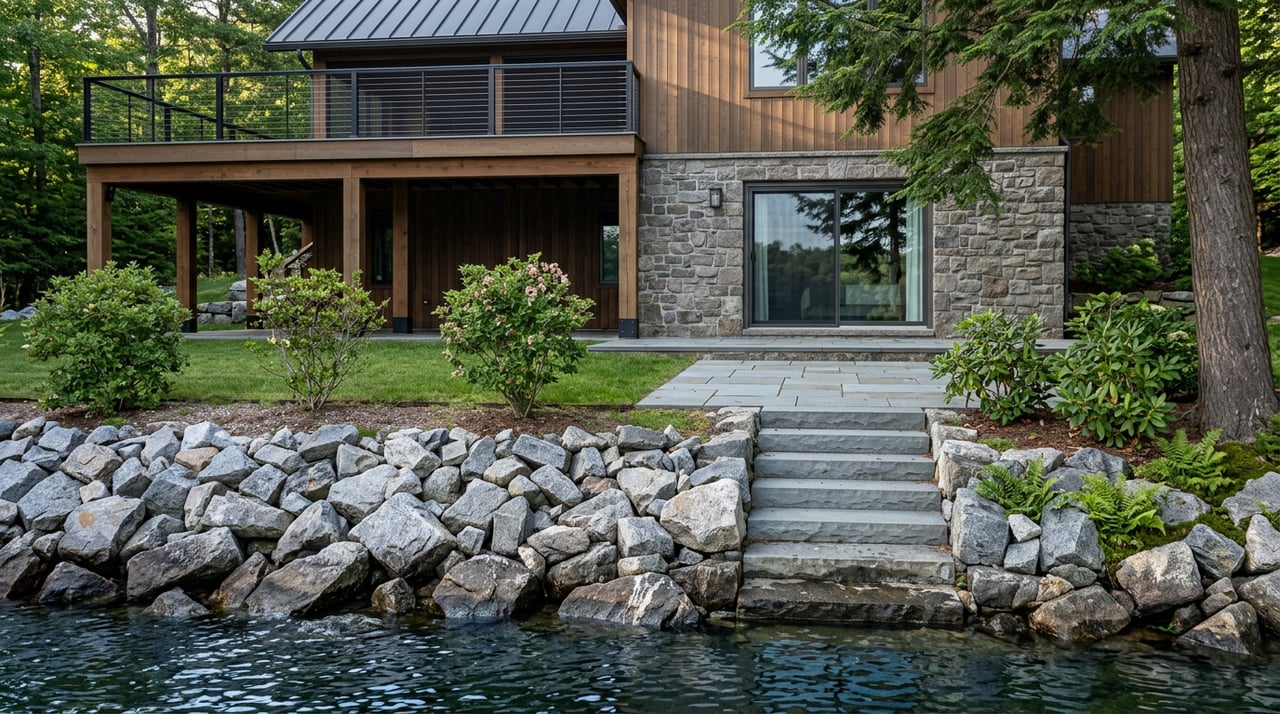
A true lakefront home includes private shoreline that reaches the water or a documented shoreline boundary. On Fontana, those parcels are scarce because so much shore is protected. Where private shoreline exists, owners may be able to secure a dock, but not by default. The Tennessee Valley Authority reviews most shoreline structures through a TVA Section 26a permit, so you need approvals before assuming you can build or expand a dock. You can read the application basics on TVA’s permit page.
Buyers choose lakefront for the direct water access, unobstructed views, and strong privacy. That premium shows up in pricing and in the time it takes to find a match. You often wait for the right home or lot to come to market.
What “lake‑access” means
A lake‑access home sits near the water but does not include private shoreline. You reach the lake through a community dock, HOA marina, or public ramp. This is the more common and often more affordable path into Fontana life. In several gated neighborhoods, owners use reserved slips, shared day docks, or dry storage to keep boating simple. For an overview of the types of amenities communities can offer, scan the neighborhood pages at FontanaLake.com.
Lake‑access buyers trade private shoreline for guaranteed water access and lower ownership cost. Many of these homes still offer big lake and ridge views, plus less maintenance at the water’s edge.
Docks and marinas: how access works
On Fontana, docks, boathouses, marinas, and many shoreline changes require TVA review. That process checks navigation, flood control, and environmental impacts. If a listing mentions a dock or a slip, always confirm current permits, easements, and HOA rules before you rely on them. The core rules and forms live on TVA’s Section 26a page.
Common access setups you will see:
- Private single‑lot docks. These are uncommon and usually tied to rare private shoreline parcels or to lots that hold specific easements. Even then, TVA must approve the structure.
- Community docks and small private marinas. Gated neighborhoods such as Fontana Lake Estates, Fontana Trace, and Rockledge often provide owner slips, day docks, or dry storage so you can count on water access without owning shoreline. For a feel of these offerings, browse community info at FontanaLake.com.
- Commercial marina and public ramps. Fontana Village Marina offers rentals, slips, and seasonal services. If you trailer your boat, you will find multiple public launch points around the lake. A practical list of ramps and locations is maintained by Great Smokies Fishing.
Houseboats and long‑term anchored vessels have their own history on Fontana. TVA updated policies in recent years, and local harbors in Swain and Graham counties enforce additional rules. If a houseboat is part of your plan, review current guidance and local reporting, such as coverage in Smoky Mountain News, and confirm the exact rules with the harbor or marina.
Quick dock due‑diligence checklist:
- Confirm whether your shoreline area falls under TVA jurisdiction and if a dock would be approvable. Start at TVA’s permit page and apply early.
- Ask your community or HOA how slips are assigned, transferred, or leased. Some slips convey with title, others are by waitlist.
- Call marinas about waitlists, winterization, covered slip options, pump‑out, and seasonal fees. Fontana Village Marina posts current services and contacts.
Homes, sites, and what to expect
Common styles and materials
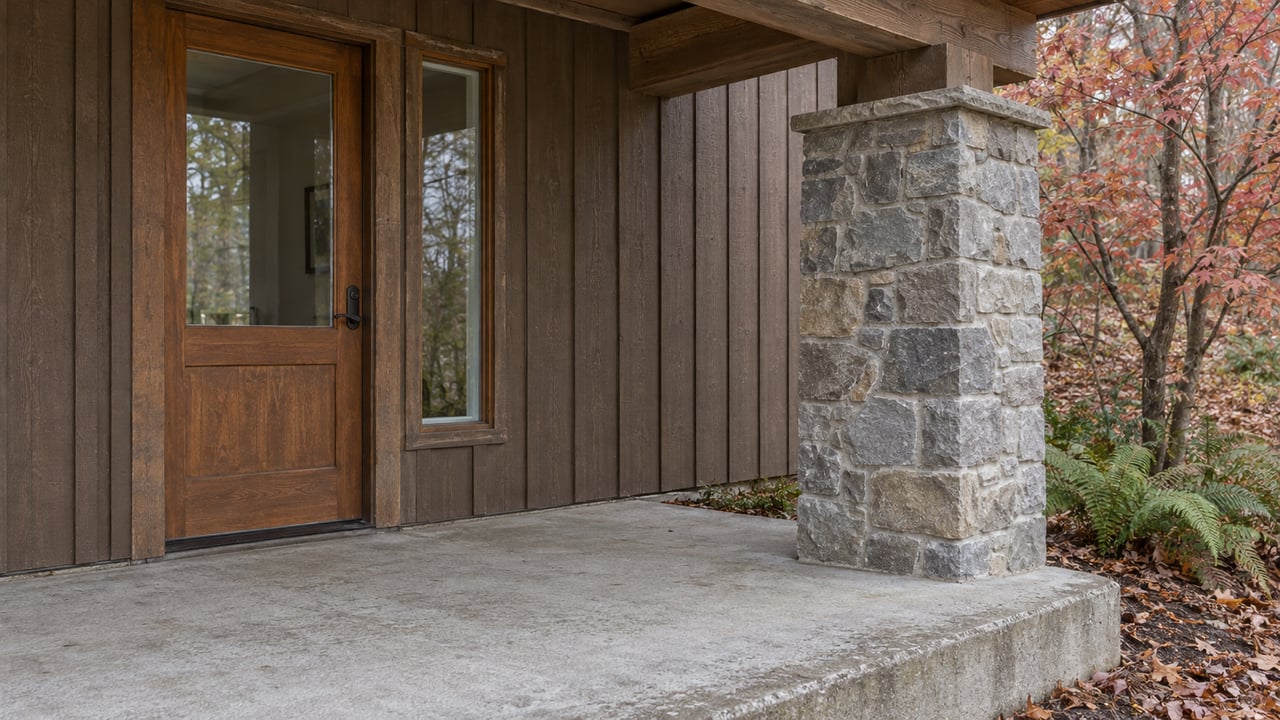
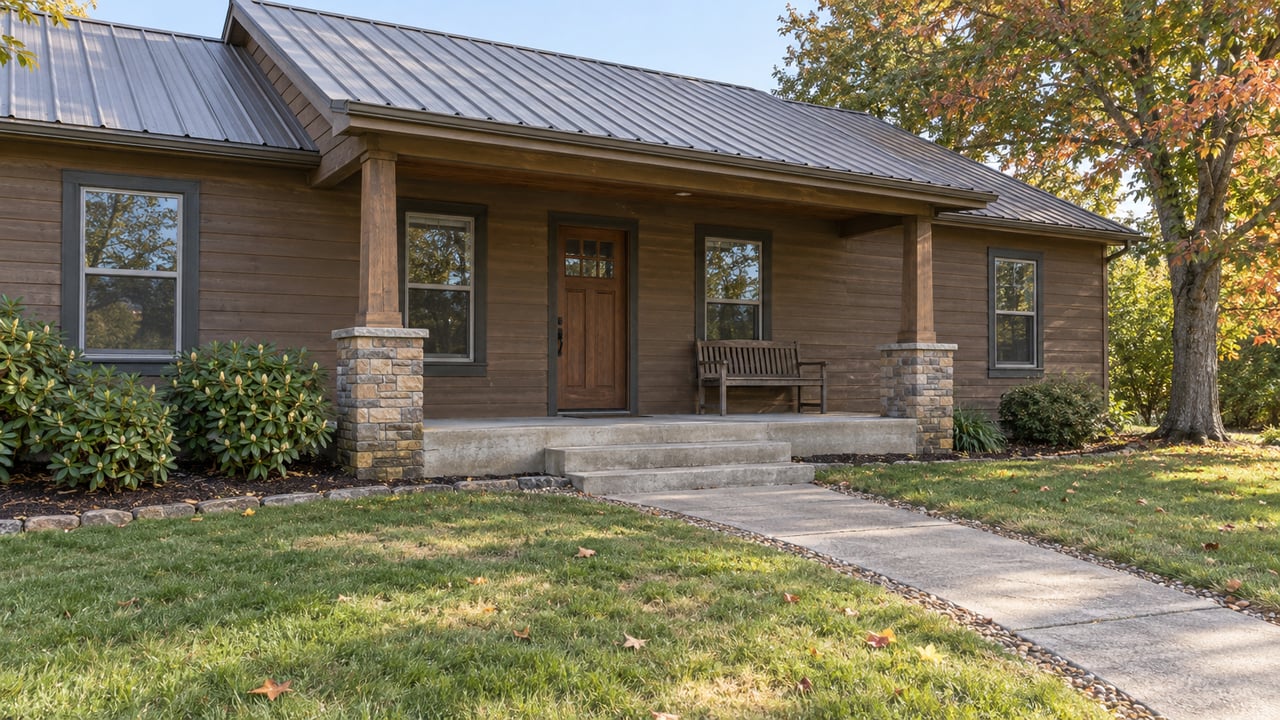
You will see classic log and timber‑frame cabins, mountain modern designs with tall glass walls and big decks, and craftsman styles adapted to steep ground. Builders often choose durable materials that do well in lake weather, like metal roofs, Hardie or similar siding, and stout concrete foundations. For a taste of higher‑end community builds and features, explore examples at FontanaLake.com.
Lots and sitework realities
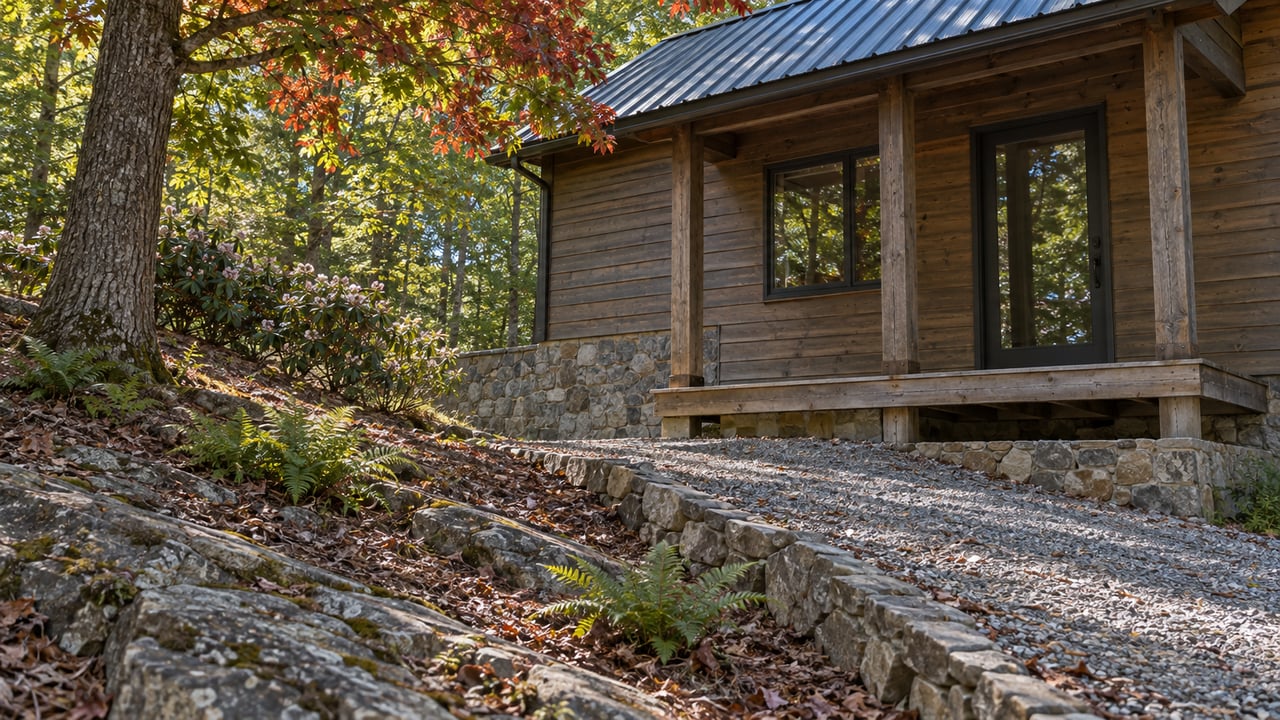
Buildable lake lots tend to be wooded, sloped, and sometimes rocky. Many owners place the home pad higher for views, then use a golf‑cart path or trail to reach a dock or community marina. Septic capacity and driveway grades are common constraints, so plan early site evaluations. Graham County’s environmental health page spells out local onsite wastewater requirements and setbacks at the water line. Review the county’s checklist here: Graham County septic systems.
Pricing signals on the lake
Because true shoreline parcels are scarce, direct lakefront homes and custom estates often trade at a premium. In recent years, high‑end lakefront in gated settings has commonly listed in the seven figures, while smaller lakefront cabins and lots have shown a wide band below that depending on access and improvements. Lake‑access homes and second‑row lots tend to list at lower price points and often include HOA fees for shared docks or marinas. Treat any number you see as a snapshot, and verify current pricing and days on market with your agent at the time you shop.
Protected shoreline: privacy and rules
Fontana’s quiet feel is no accident. With national park and national forest hugging large portions of shore, development pressure stays low. That creates long, open sightlines and fewer neighbors across the cove, a point documented in the NPS North Shore conditions report.
The same protections shape what you can build. Shoreline work usually requires a TVA permit, and county rules cover things like septic setbacks and erosion control. These steps add time and planning, but they also help keep views clear and the lake environment healthy. If private shoreline proves hard to find, many buyers balance privacy and convenience by choosing a home with a community slip.
Fontana vs. nearby lakes
If you are exploring Western North Carolina broadly, here’s a quick lens:
- Fontana Lake. Largest footprint in the area feel, with extensive protected shoreline and fewer developed stretches. Best for buyers who want quiet water and scenic buffers.
- Lake Glenville. A Duke Energy‑managed lake near Cashiers with more private shoreline development and more private docks. It trades a bit of wilderness feel for added marina and amenity options. See Duke’s recreation guidance for context: Duke Energy safety and recreation.
- Lake Santeetlah and Nantahala Lake. Smaller and more enclosed settings with a mix of private docks and public access. They can offer a more neighborhood‑oriented feel compared with Fontana’s wilder coves.
Buyer due‑diligence checklist for 28733
Before you write an offer, work through these essentials:
- Confirm boundaries and rights. Order a recent survey and verify whether your parcel includes riparian shoreline rights or only upland rights. TVA often controls the strip between normal high water and low water.
- Pre‑confirm dock eligibility. Check TVA shoreline maps and permitted zones, then outline the drawings and documents you will need. Start early at TVA’s Section 26a page.
- Evaluate septic feasibility. Schedule a site visit with Graham County Environmental Health to confirm soil, rock, and required setbacks near the water. Use the county’s official steps here: Graham County septic systems.
- Verify marina and HOA slip details. Ask about transfer rules, waitlists, winterization, and fees. If you plan to keep a boat in a slip, confirm availability in writing.
- Test connectivity at the address. Cell and broadband can vary across 28733. Check actual service on site and review third‑party coverage snapshots like BestNeighborhood’s Graham County internet overview.
- Review rental and tax rules. If you plan to rent the home, confirm community restrictions and any local registration requirements before you buy.
Your next steps
If Fontana’s blend of privacy and access matches your goals, decide which path fits you best: scarce but direct lakefront, or more available lake‑access with a community slip. Then line up septic and dock due diligence early so you can move with confidence when the right home appears. Our team specializes in helping out‑of‑area buyers compare communities, verify permits, and tour properties by video so you can make fast, clear decisions.
Ready to take the next step on Fontana Lake? Reach out to Vignette Realty to map your options, schedule tours, and Start Your Mountain Story.
FAQs
Can I build a private dock on Fontana Lake?
- Possibly, but only with approvals. Most docks and shoreline structures require a TVA Section 26a permit plus local compliance. Start with TVA’s permit guide and apply early.
What is the difference between lakefront and lake‑access on Fontana?
- Lakefront includes private shoreline and, in limited cases, potential for a private dock with permits. Lake‑access does not include shoreline but uses a community dock, HOA marina, or public ramp.
How do marinas and public ramps work if I do not have a dock?
- You can lease a slip or launch as needed. Fontana Village Marina offers slips and rentals, and public launch points are listed by Great Smokies Fishing.
How long do TVA dock permits take on average?
- Timelines vary by project, but the review can take weeks to months. Complex designs or sensitive shorelines may require more documentation, so build that into your plan.
What are common home styles around Fontana Lake?
- You will see log and timber‑frame cabins, mountain modern homes with big windows, and craftsman styles adapted to steep sites, often with durable materials like metal roofs and fiber‑cement siding.
How private is Fontana compared with other WNC lakes?
- Very private by regional standards. Large sections of shoreline sit next to national park and national forest lands, which reduces development and keeps views open, as noted in NPS documentation.
Are houseboats allowed on Fontana Lake?
- Houseboats have a specific regulatory history. TVA policies and local harbor rules apply, so confirm current allowances and enforcement. Local coverage from Smoky Mountain News offers context.
What should I budget for internet around 28733 if I work from home?
- Service varies by cove and elevation. Test at the property and review coverage snapshots like BestNeighborhood’s county overview; consider satellite or fixed‑wireless as backups.
How do prices compare between lakefront and lake‑access homes?
- Lakefront typically commands a premium due to scarce shoreline and views. Lake‑access homes and lots often list lower and include HOA fees for shared docks or marinas. Verify current pricing with your agent when you shop.