Are you picturing a quiet mountain home base with trailheads, creeks, and small-town comforts close at hand? If you are weighing Western North Carolina towns, it can be hard to tell which place fits your real, everyday life. In this guide, you will see what living in Franklin looks like week to week, from outdoor access and dining to commutes, broadband, and housing types. By the end, you will know if Franklin matches your pace and priorities. Let’s dive in.
Franklin at a glance
Franklin is the county seat of Macon County and serves as a local services hub for the surrounding mountains. You get a quieter setting than a big regional city, but more everyday resources than a tiny hamlet. The town sits in the southern Appalachian region, not far from the Georgia line, with valleys and ridgelines that shape views, roads, and recreation.
Think of Franklin as a base camp for daily life. You can run errands, grab a bite, meet friends downtown, and head out to public lands within minutes. If you want a large arts scene or big-city pace, you will travel. If you want a slower rhythm with nature out the door, Franklin can feel just right.
Getting around and access
Driving is the way most people get around. Local roads follow mountain terrain, with winding grades and occasional fog or ice in colder months. If you are new to the mountains, plan on a short learning curve for winter driving and route planning.
For air travel, Asheville offers regional commercial service. For broader flight choices, you will drive farther to larger hubs such as Atlanta or Charlotte. Public transit is limited, so if you rely on buses or shuttles, verify schedules before you commit to a move.
Outdoor recreation, every week
Close-to-home trails and water
Franklin sits among extensive public lands, including the Nantahala National Forest. That gives you quick access to hiking, trail running, dispersed camping, and scenic drives. Local creeks and rivers support trout fishing and small-water paddling, while bigger whitewater and reservoir boating are a reasonable day trip.
Within a wider radius, you can reach longer trail systems and classic overlooks for sunrise or fall color days. Two-hour drives open up bucket-list destinations across Great Smoky Mountains National Park and sections of the Blue Ridge Parkway corridor.
Seasons and crowd patterns
Fall is popular across the region, with leaf season bringing a bump in visitors and weekend traffic. Winter is quieter and good for hiking when views open up, though you will plan around cold snaps and the chance of ice. Franklin is not a ski destination, and downhill resorts are farther away, so winter fun tends to be hiking, scenic drives, and cozy nights in.
Culture, dining, and services
Downtown rhythm
Franklin’s downtown has the feel of a small, lived-in mountain town. You will find local shops, galleries, cafes, and restaurants, plus a calendar of community events. The town is known for its gem and mineral heritage, with gem mining, shows, and galleries that add character and draw.
Seasonal festivals and county events bring energy to Main Street and nearby venues. They can also bring short bursts of visitor traffic. If you enjoy knowing your barista and seeing familiar faces at events, you will like the pace.
Groceries and everyday needs
Franklin covers daily essentials with grocery stores, pharmacies, banks, and hardware options in town. Specialty shopping can be more limited than in a city, so expect the occasional trip to a larger center for niche items. Farmers markets and local producers are common in mountain communities, so check seasonal schedules for fresh produce and goods.
Healthcare and professional care
As a county seat, Franklin offers primary care clinics, urgent care, and common specialist services. For more complex needs or hospital-level care, you will drive to a regional center. If healthcare is a key factor, confirm distances and specialties before you choose a neighborhood.
Housing fit and cost frame
What you will find
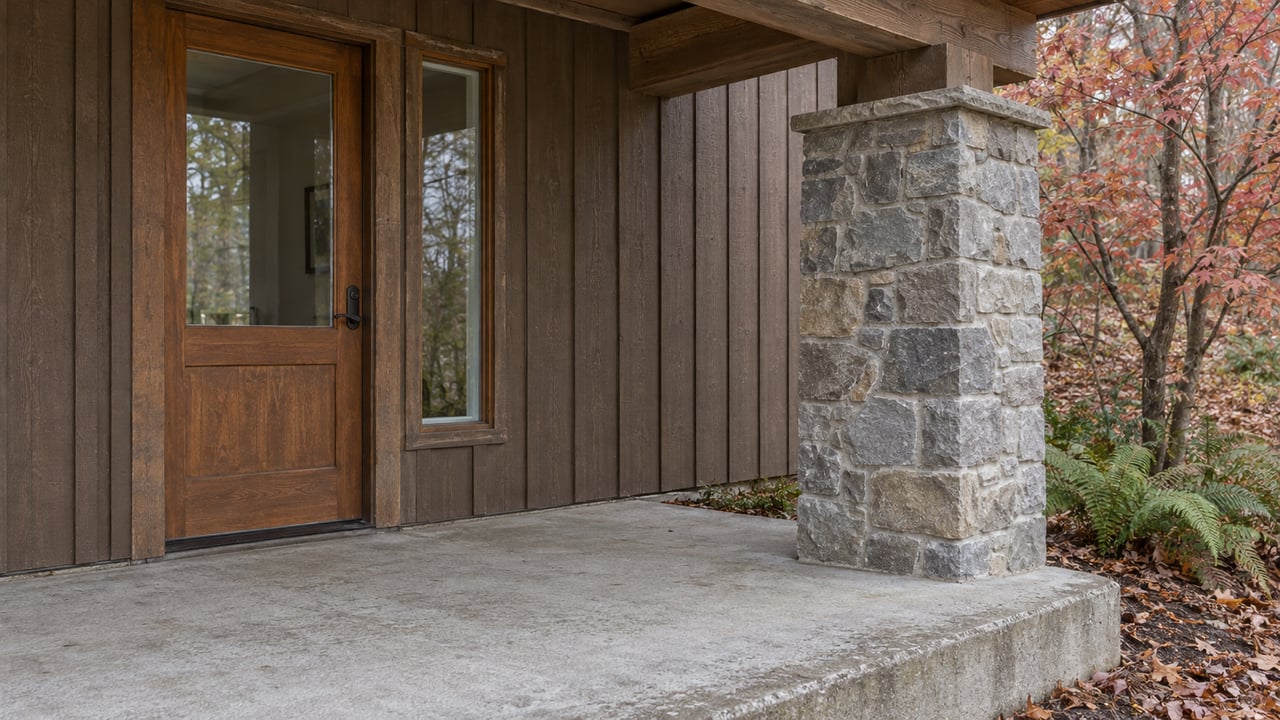
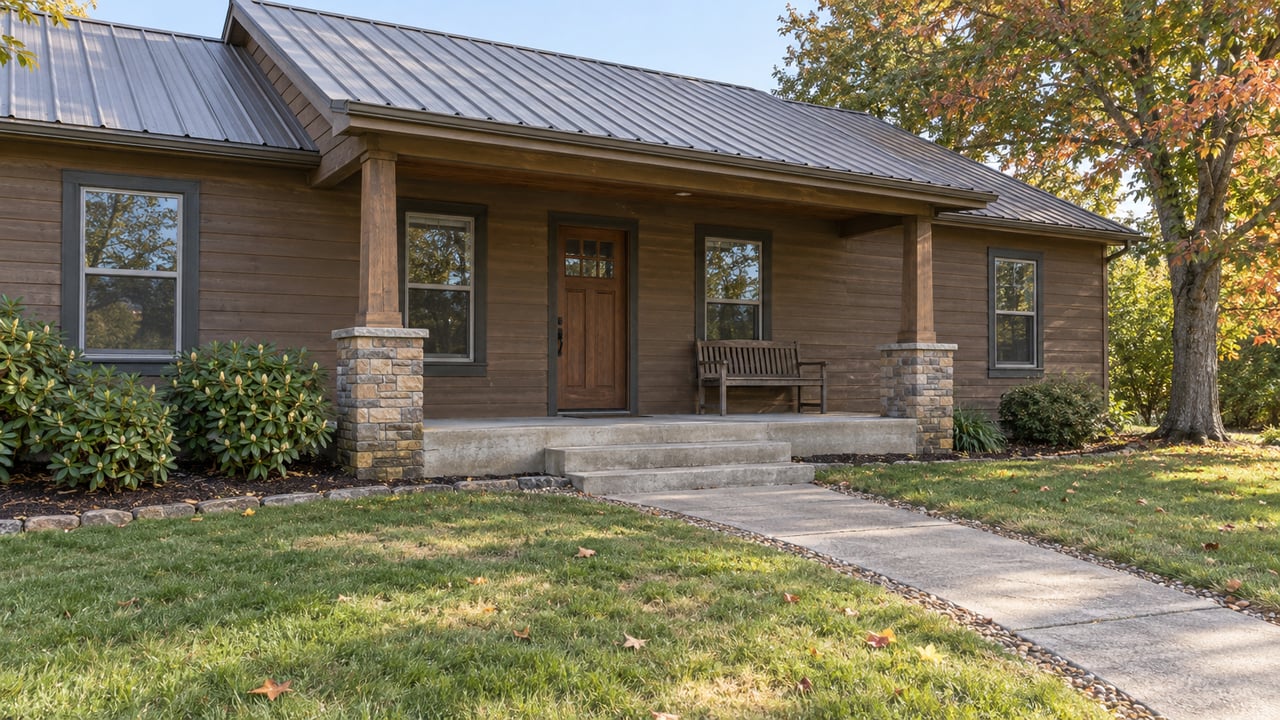
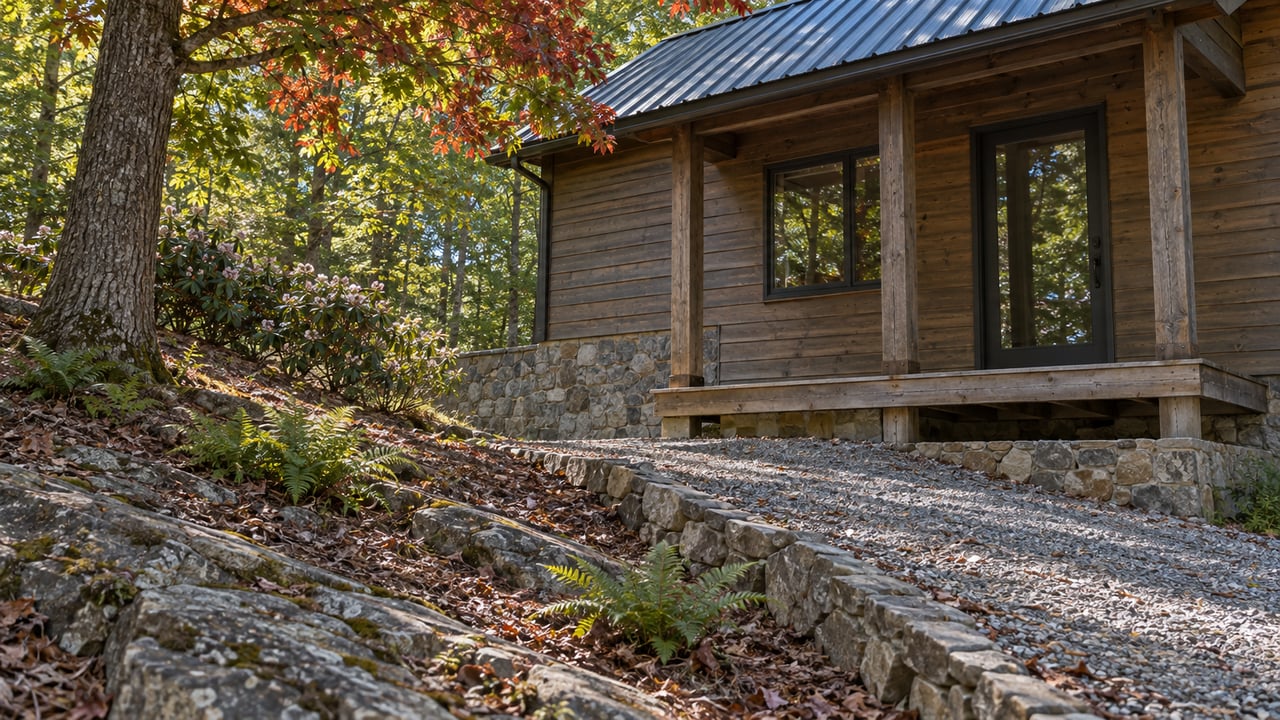
The local housing stock is a mix of single-family homes, cabins, cottages, and modular homes. You will also see older farmhouses and mountain-style homes on wooded lots. Condos and townhomes are less common than in resort towns, and many scenic pockets have a second-home presence that can affect inventory seasonally.
Budgeting the full picture
Property taxes follow typical North Carolina county norms, but you should run the numbers for each property. In the mountains, homeowner’s insurance can vary with elevation, roof age, and vegetation risk. Utilities, well and septic inspections, and routine mountain maintenance should be part of your annual budget.
Market behavior to expect
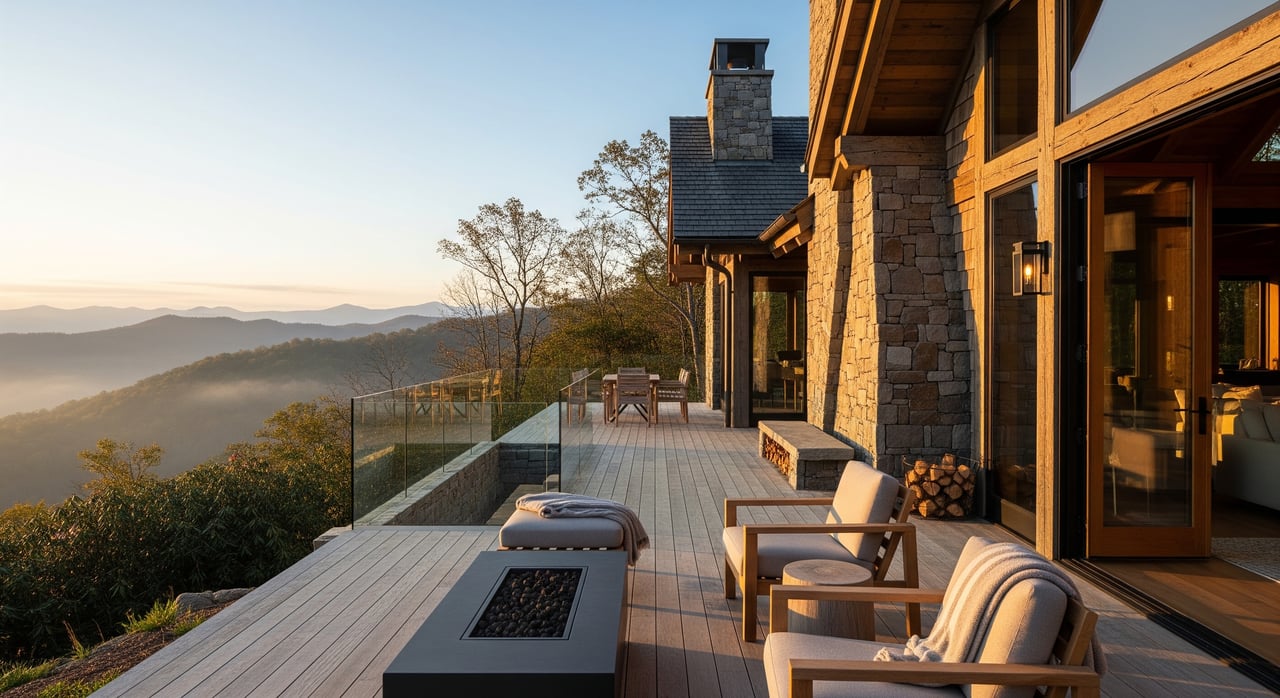
Price and pace change by setting. A home close to town will behave differently than a ridge-view retreat or a property near higher-end resort areas like Highlands or Cashiers. Keep an eye on median sale price, days on market, and inventory trends for your target neighborhoods. Cycles can shift with seasons, tourism patterns, and broader market movements.
Commute or remote work?
Daily drives
Within Macon County, many commutes stay under 30 minutes, especially around the valley and town areas. The terrain can make short distances take longer, so test your exact route during morning and evening hours. Commuting to larger employment centers such as Asheville is typically an hour or more each way and is rarely ideal on a daily basis.
In winter, check route-specific maintenance, shaded curves, and steep driveways. If you expect frequent trips to hospitals, colleges, or other anchors, map those drives in different seasons before you buy.
Broadband reality for remote workers
Remote work is feasible in Franklin, but availability is address-specific. Coverage in mountain towns can be mixed. Fiber exists in some areas, yet many rural pockets rely on DSL, fixed wireless, or satellite. Verify options and speeds at the exact property using the FCC Broadband Map and local ISPs. Spectrum, AT&T, and rural or electric co-op providers may serve different roads and elevations. Cell service also varies by carrier and topography.
Franklin vs nearby Western NC towns
Franklin vs Asheville
- Size and pace: Asheville offers a much larger arts, food, and cultural scene with year-round events. Franklin is quieter and smaller.
- Amenities: Asheville has larger hospitals and universities and more specialty shops. Franklin covers everyday needs with a smaller footprint.
- Housing: Asheville tends to be higher priced. Franklin offers more approachable options across cabins, cottages, and single-family homes, with fewer condos.
- Lifestyle fit: Choose Asheville for big-city culture and variety, Franklin for small-town rhythm and quick trail access.
Franklin vs Highlands and Cashiers
- Size and pace: Highlands and Cashiers are more resort oriented with higher seasonal visitor volume.
- Amenities: Dining and boutique shopping are strong in these resort markets. Year-round affordability is tighter.
- Housing: Luxury second homes are common, with higher price bands. Franklin offers a wider range of homes at more accessible price points in many areas.
- Lifestyle fit: Choose Highlands or Cashiers for upscale resort living, Franklin for a quieter base with regional access.
Franklin vs Waynesville and Sylva/Dillsboro
- Size and pace: Waynesville and Sylva are mid-sized mountain towns that serve as hubs for their counties.
- Amenities: They may offer more services in some categories than Franklin, though each town has its own mix.
- Housing: All offer mountain single-family homes, with prices and availability varying by neighborhood and view.
- Lifestyle fit: Choose these towns if you want a bit more bustle, Franklin if you prefer a slower pace with similar outdoor access.
Franklin vs Bryson City
- Size and pace: Bryson City is smaller and leans toward outdoor tourism.
- Amenities: It is closer to rail and river attractions and whitewater recreation.
- Housing: Vacation rental activity is common in recreation-heavy pockets.
- Lifestyle fit: Choose Bryson City for a recreation-first vibe, Franklin for a more residential base with a steady local rhythm.
Practical buyer checklist
Use this quick list to confirm fit and avoid surprises:
-
Weather and seasons
- Plan for cooler summers and colder winters with occasional snow and ice.
- Ask about winter road maintenance for your neighborhood and driveway.
-
Utilities and services
- Confirm well and septic vs municipal water and sewer.
- Budget for inspections, pump service, and routine maintenance.
-
Internet and phone
- Verify address-level broadband options, speeds, and latency.
- Check cell coverage by carrier and talk to neighbors if possible.
-
Insurance and inspections
- Confirm homeowner’s insurance availability and cost for the property’s elevation and vegetation.
- Assess flood, foundation, landslide, and wildfire risk mitigation.
- Inspect steep parcels, access roads, and retainage needs.
-
Road access and responsibilities
- Clarify private road or HOA maintenance, plowing, and repair fees.
-
Schools and family needs
- Review Macon County Schools resources and proximity to your home.
- For private options, check availability in regional centers.
-
Legal and regulatory
- Verify short-term rental rules for the town or county before investing.
- Confirm zoning and permitting for building, well, and septic.
Is Franklin the right base for you?
Choose Franklin if you want nature at your doorstep, a small-town pace, and a home base that covers daily needs without big-city noise. It suits retirees who value quiet, remote workers who verify broadband at the address, and second-home owners who prefer a more residential feel over a pure resort market. If you want a large restaurant scene, major performance venues, or very short commutes to big employers, you will likely drive to other towns.
If Franklin sounds like your kind of mountain chapter, we would love to help you explore neighborhoods, compare commute realities, and confirm utilities and broadband before you write an offer. Reach out to the local team at Vignette Realty to tour in person or virtually, request property packages, and Start Your Mountain Story.
FAQs
Is Franklin, NC a good fit for year-round living?
- Yes, if you like nature-based activities and small-town events. For bigger concerts, museums, and large venues, plan day trips to larger regional centers.
How practical is a daily commute from Franklin to Asheville?
- It is typically an hour or more each way, which many find long for daily use. Test your exact route during commute hours and consider winter conditions.
What broadband options can I expect at a Franklin address?
- Coverage varies by road and elevation. Some areas have fiber, while others rely on DSL, fixed wireless, or satellite. Verify options through the FCC map and local ISPs.
What kinds of homes are most common around Franklin?
- You will see single-family homes, cabins, cottages, modular homes, and some older farmhouses. Condos and townhomes are less common than in resort markets.
How seasonal is the Franklin housing market and lifestyle?
- Expect a bump in summer and fall visitors and some second-home activity. Franklin remains more residential and less purely seasonal than resort-only towns.
What should I budget for beyond the mortgage in the mountains?
- Plan for property taxes, homeowner’s insurance that reflects mountain risk, utilities, well and septic care, and driveway or private road maintenance.