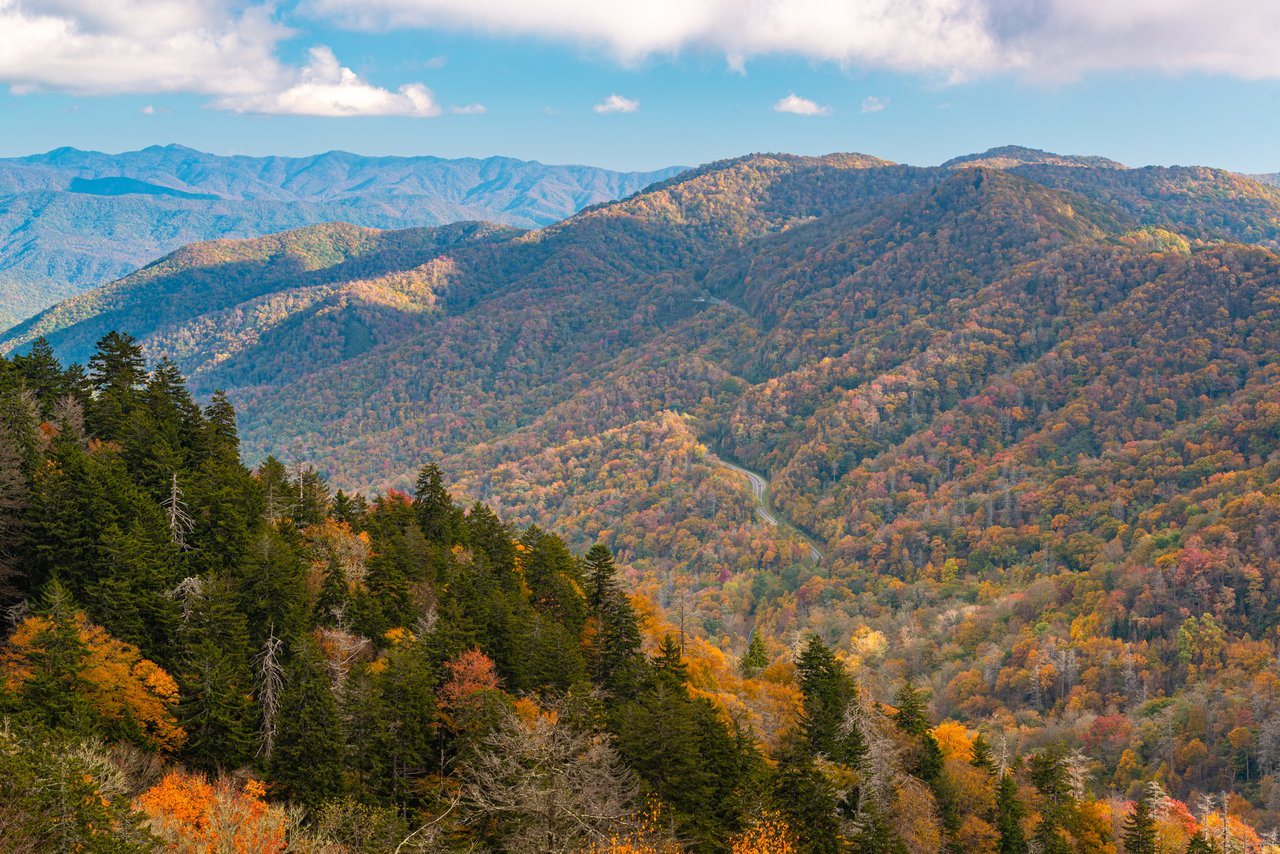
Many buyers picture a single, uniform climate when relocating to Western North Carolina. The reality is that elevation dictates your daily weather, your comfort, and the specific challenges of maintaining your property. Franklin sits at an elevation of 2,119 feet above sea level, and that number shapes almost every practical decision you will make as a buyer here.
That moderate elevation delivers the distinct four season climate that draws out of state buyers to the Nantahala National Forest region, while avoiding the harsh winters and heavy snowfall found in higher mountain towns like Highlands.
What 2,119 Feet Actually Means for Daily Life
Here is the honest version, because plenty of mountain marketing overstates this. Franklin's elevation is not high enough to produce measurable physiological benefits, and any article promising improved cardiovascular performance at this altitude is overselling. What the elevation genuinely delivers is the absence of problems. Altitude sickness typically begins well above 7,000 feet, so buyers arriving from sea level in Florida or coastal Georgia need no acclimation period at all. You can hike the Appalachian Trail at Winding Stair Gap or walk the Little Tennessee River Greenway on day one.
For retirees, that accessibility matters. Franklin offers mountain scenery without the thinner air that makes higher elevation towns harder on hearts and lungs, and summers run noticeably cooler than the lowland South, with highs typically in the mid 80s. Mountain sun is stronger than flatlanders expect, so daily sun protection remains smart advice year round.
The Market Reality at This Elevation
According to Zillow, the average Franklin home value is $292,179, up 2.2% over the past year, with homes going pending in around 50 days. That makes Franklin one of the most accessible entry points in Western North Carolina, far below the luxury pricing of higher elevation markets like Highlands and Cashiers just up the mountain.
The carrying costs seal the value case. Macon County's FY 2025 to 2026 budget sets the property tax levy at 27 cents per $100 of valuation, one of the lowest rates in North Carolina. On a $300,000 home, that is a county tax bill most out of state buyers will not believe until they see it in writing.
The Due Diligence Checklist for Mountain Terrain
North Carolina transactions work differently than in many states. You will pay a nonrefundable due diligence fee directly to the seller to secure a window to inspect the property, and at this elevation you must use that window aggressively.
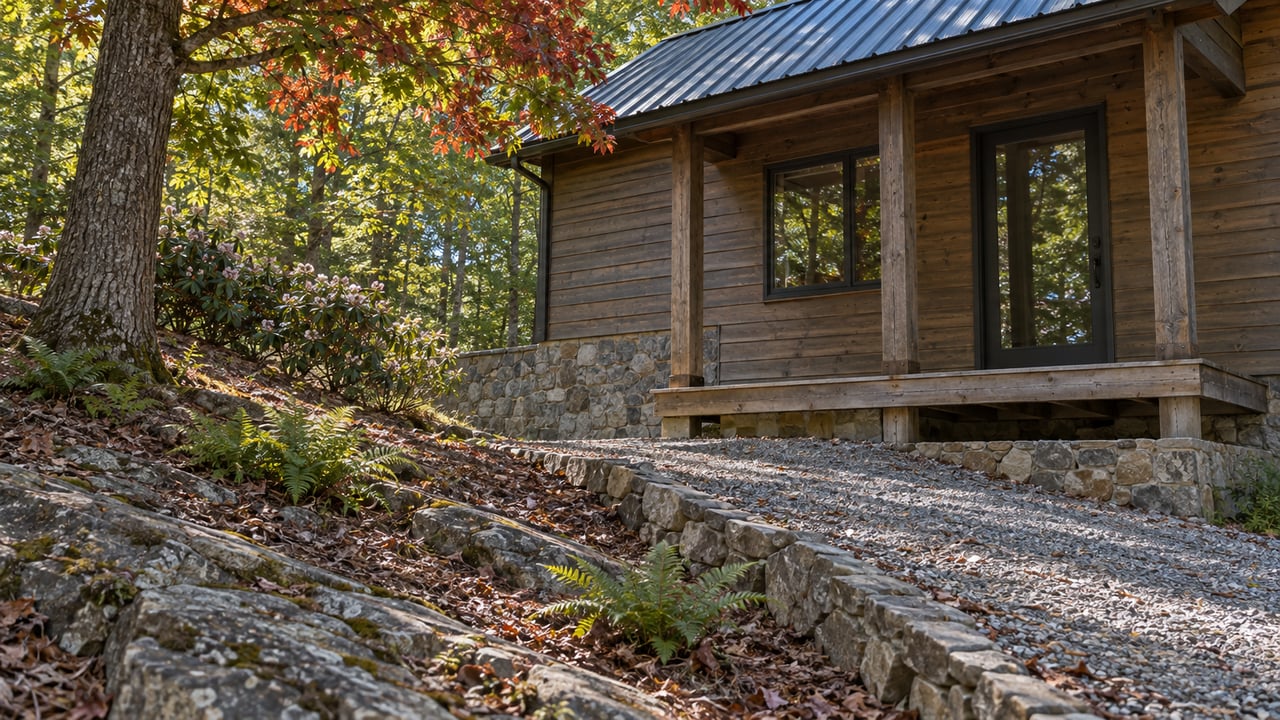
Mountain terrain bills you in ways the tax rate never will. Rocky soil complicates septic systems, and many parcels require engineered solutions that cost more to install and pump. Well depths vary dramatically across the Franklin plateau, so water flow testing is a required budget line, not an optional one. And many properties sit on steep private gravel roads that demand proper vehicle equipment even in light freezes.
Three verifications matter most. First, confirm the septic permit capacity against your intended use, matching the permitted bedroom count to the actual home. Second, test the well recovery rate, not just water quality, since a clean but slow well is still a problem. Third, review the exact legal language of any shared road maintenance agreement, including how costs are split and who decides when grading happens.
Your licensed North Carolina closing attorney verifies title and manages settlement, but the physical inspection burden is yours. Our guide to buying properties in Western North Carolina walks through each step of the process. If you are ready to explore properties that fit your elevation preferences, contact Vignette Realty for a free home valuation or a custom video tour of active Franklin listings.
FAQs
What is the exact Franklin NC altitude?
Franklin, North Carolina sits at 2,119 feet above sea level. This moderate elevation provides a four season climate with cooler summers and mild winters, avoiding the heavy snowfall common in higher elevation towns like Highlands.
How does the Franklin NC altitude affect home prices?
Elevation drives pricing across Western North Carolina, and Franklin offers strong value. Zillow reports an average home value of $292,179, up 2.2% year over year, well below the luxury pricing of higher elevation markets like Highlands and Cashiers.
Will I feel the altitude when I move to Franklin?
No. Altitude sickness typically begins well above 7,000 feet, so at 2,119 feet there is no acclimation period, making Franklin especially practical for retirees relocating from sea level.
What are the septic challenges at the Franklin NC altitude?
Rocky mountain soil often requires specialized engineered septic systems rather than conventional setups. Use your due diligence period to verify the existing septic permit matches the home's bedroom count and confirm the system has been properly maintained.
How does the North Carolina due diligence fee work?
The due diligence fee is a nonrefundable payment made directly to the seller that grants a specific window to inspect the property. In mountain markets, buyers use this time to evaluate well recovery rates, septic capacity, and private road maintenance agreements.
What is the property tax rate in Franklin NC?
Macon County's FY 2025 to 2026 budget sets the levy at 27 cents per $100 of assessed valuation, one of the lowest county rates in North Carolina, which keeps carrying costs low for both full time residents and second home owners.